Coles Points Fingers at Suppliers for Price Increases Amidst Consumer Migration to Aldi
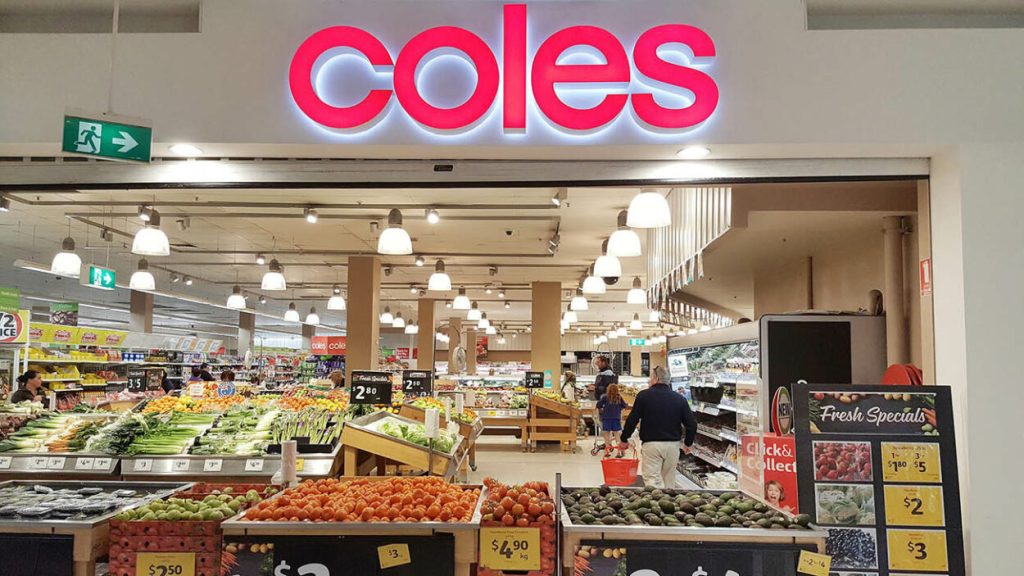
In a recent turn of events within the Australian retail landscape, Coles, one of the country’s major supermarket chains, has publicly attributed rising prices to its suppliers. This revelation comes as an increasing number of consumers are opting for the competitive pricing and diverse product range offered by rival Aldi. The move signals a shift in the dynamics of the grocery industry, forcing Coles to grapple with both the challenges of consumer loyalty and the intricate relationships with its suppliers.
Coles, a stalwart in the Australian retail sector, has long been a go-to destination for grocery shopping for millions of households. However, in recent years, the emergence and growth of Aldi have posed a formidable challenge to the dominance of traditional supermarket giants. Aldi, known for its no-frills approach and emphasis on low prices, has steadily gained market share and reshaped consumer expectations, prompting Coles to reassess its strategies and business model.
The crux of Coles’ argument lies in the assertion that its suppliers are responsible for the upward trajectory of prices across various product categories. The supermarket giant contends that increasing input costs, including raw materials, transportation, and labor, have left them with little choice but to pass on these expenses to consumers. Coles argues that in order to maintain the quality and variety of products on their shelves, they are compelled to negotiate higher prices with their suppliers.
While this perspective sheds light on the economic challenges faced by Coles, critics argue that it is an attempt to deflect blame and retain consumer loyalty in the face of growing competition from Aldi. The German discount supermarket chain has carved out a niche for itself by consistently offering lower prices on a range of products, attracting budget-conscious consumers seeking to stretch their dollars further.
Consumer behavior is undergoing a noticeable shift, with an increasing number of shoppers making the switch to Aldi in pursuit of better value for their money. This trend is not lost on Coles, which is now grappling with the dual challenge of retaining its existing customer base and attracting new shoppers amid the lure of Aldi’s competitive pricing.
In response to the mounting pressure, Coles has embarked on a series of initiatives aimed at mitigating the impact of price increases on consumers. The supermarket giant is actively exploring cost-cutting measures within its own operations, with a focus on operational efficiency and supply chain optimization. Additionally, Coles is engaging in negotiations with suppliers to explore avenues for cost-sharing and collaborative efforts to offset rising expenses.
The relationship between Coles and its suppliers has become increasingly complex, with both parties feeling the pinch of economic uncertainties and global supply chain disruptions. Coles’ accusation that suppliers are the primary drivers of price hikes has ignited tensions within this intricate network, prompting suppliers to defend their own economic interests and viability in the face of inflationary pressures.
Suppliers, on the other hand, argue that they are operating within a challenging economic environment marked by inflation, increased energy costs, and supply chain disruptions. Many contend that they are also facing rising expenses, making it difficult to absorb additional costs imposed by the supermarkets. The delicate balance between maintaining profitability and meeting the demands of major retailers like Coles is becoming increasingly tenuous for suppliers, further complicating the dynamics of this intricate relationship.
In the fiscal year 2023, Coles, listed on the ASX, disclosed a net profit of $1.1 billion, whereas its major competitor Woolworths reported $1.6 billion in profits.
Coles’ reliance on suppliers to justify price increases has not gone unnoticed by industry observers. Some argue that the supermarket giant should bear a greater share of the burden, given its position as a market leader with considerable bargaining power. Critics suggest that Coles should invest in strategies to enhance its operational efficiency, streamline its supply chain, and absorb a portion of the increased costs rather than passing them entirely onto consumers.
As this narrative unfolds, consumers find themselves caught in the crossfire between supermarket giants and their suppliers. Many are left grappling with the dilemma of loyalty versus affordability, weighing the convenience and familiarity of Coles against the attractive prices offered by Aldi. The battleground is increasingly shifting from the store aisles to the boardrooms, as Coles and its suppliers engage in negotiations to find a mutually acceptable resolution to the pricing conundrum.
The unfolding scenario in the Australian grocery retail sector paints a complex picture of interwoven relationships between major supermarkets, suppliers, and consumers. Coles’ decision to blame its suppliers for rising prices reflects the mounting challenges faced by traditional retailers in the wake of Aldi’s disruptive presence. The ongoing negotiations and tensions between Coles and its suppliers underscore the intricate dance of power and accountability within the retail ecosystem. As consumers continue to vote with their wallets, the outcome of this struggle will undoubtedly shape the future landscape of the Australian grocery industry.